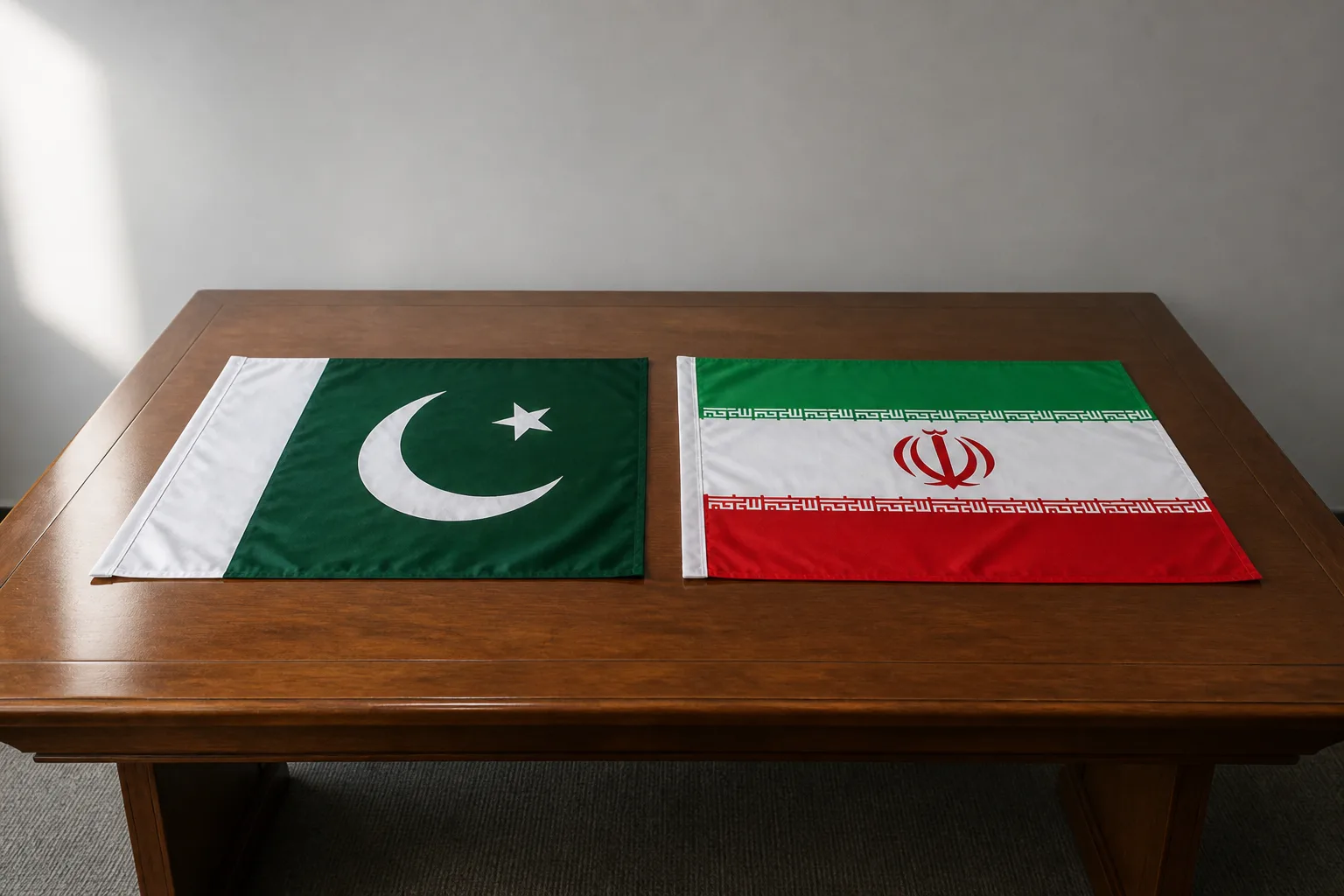
Pakistani Interior Minister Visits Tehran to Advance Iran-US Negotiations
On a crisp Saturday morning in Tehran, Pakistani Interior Minister and Senator Syed Mohsin Raza Naqvi arrived to meet senior Iranian officials, carrying the weight of a historic peace draft.
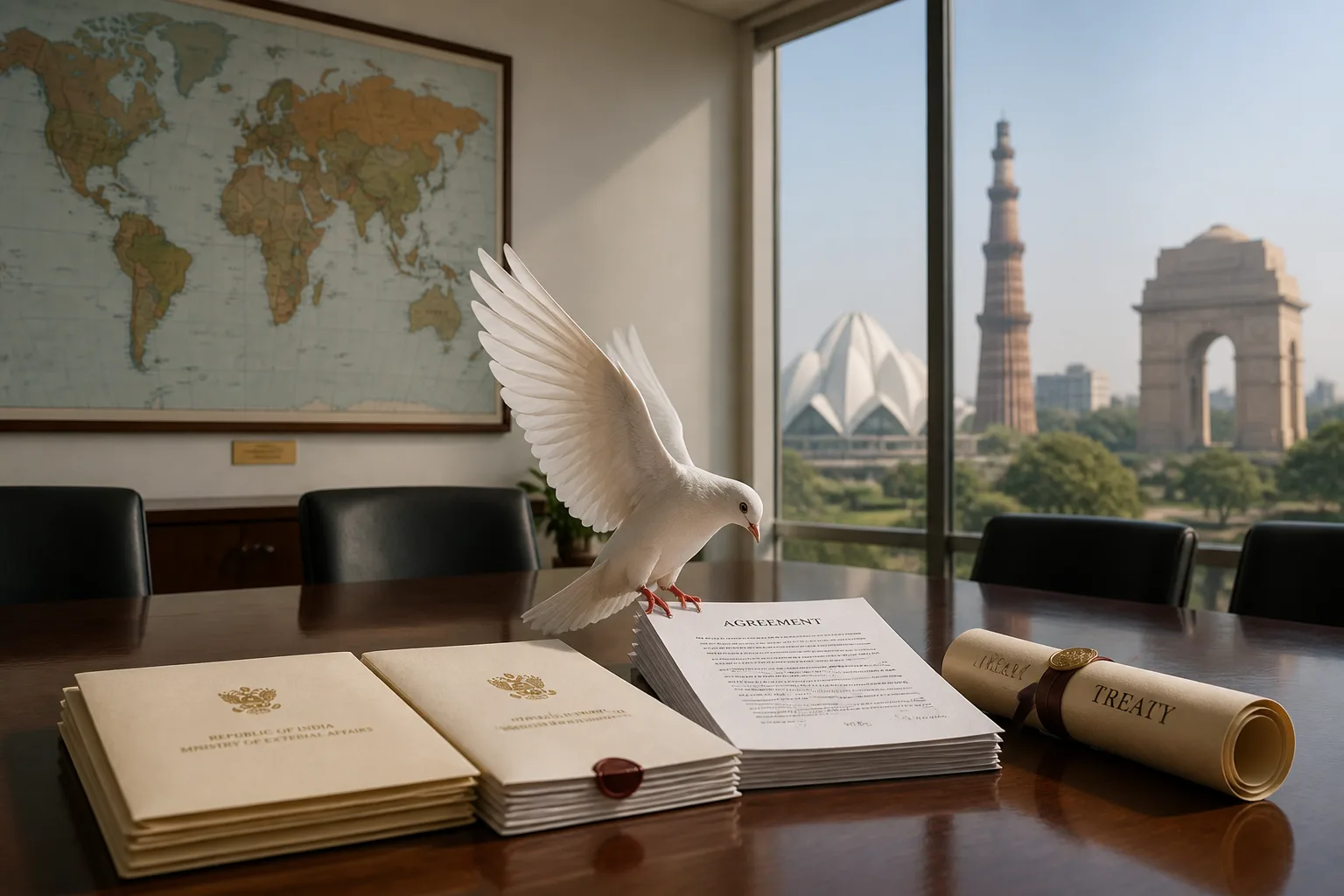
The trip is part of Islamabad’s continuing diplomatic push to support the Iran‑United States Memorandum of Understanding (MoU), signed electronically on June 17, 2026. The MoU seeks to end hostilities between Tehran and Washington and to restore diplomatic ties, a goal that has placed Pakistan at the center of a regional peace effort.
According to a statement from the Iranian Foreign Ministry, Naqvi will sit down with Interior Minister Eskandar Momeni and Foreign Minister Abbas Araghchi. The meetings are slated to discuss how the MoU will be put into practice and to coordinate the next steps in the peace process. Naqvi’s arrival follows a phone call on Thursday between Pakistani Prime Minister Shehbaz Sharif and Iranian President Masoud Pezeshkian – the first official contact between the two leaders since the MoU was signed.
The MoU was brokered by Pakistan and provides a framework for a cessation of hostilities and the restoration of diplomatic relations between Iran and the United States. Islamabad has repeatedly highlighted its role as a mediator, stressing that the agreement benefits the wider region.
Naqvi has visited Tehran multiple times in recent weeks. His last official trip on June 7 included bilateral meetings with the same Iranian ministers. During that visit he delivered a written message from Prime Minister Sharif to Iranian Supreme Leader Ayatollah Seyyed Mojtaba Khamenei, underscoring Pakistan’s commitment to the peace process.
In addition to his ministerial duties, Naqvi has served as Minister of Interior and Narcotics Control since March 2024. He also chairs the Pakistan Cricket Board and presides over the Asian Cricket Council, roles that have made him a prominent public figure.
Iran‑Pakistan relations have historically been close, with both countries cooperating on security, trade and regional stability. The two share a long border and have worked together on drug trafficking and insurgency in Balochistan. In recent years, Pakistan has positioned itself as a neutral mediator in regional disputes, including the Iran‑Saudi Arabia conflict and the Kashmir dispute.
The current diplomatic engagement comes against a backdrop of heightened tensions in the Middle East. The Iran‑US negotiations have been a focal point for international diplomacy, with the United States seeking to curb Iran’s nuclear program while Iran aims to secure economic relief and political recognition.
In Tehran, Naqvi is expected to discuss the practical steps required to implement the MoU, including the reopening of diplomatic missions, the lifting of sanctions and the restoration of trade links. The meetings with Interior Minister Momeni will likely address security arrangements and border management, while discussions with Foreign Minister Araghchi will focus on diplomatic coordination.
The visit also signals Pakistan’s willingness to continue its mediation role. According to reports, Pakistani officials have expressed confidence that the MoU will serve as a catalyst for broader regional cooperation. The government has stated that it will maintain open channels with both Iran and the United States to ensure the agreement’s success.
The next steps involve the formal exchange of diplomatic credentials and the establishment of mechanisms to monitor compliance with the MoU’s provisions. Pakistani and Iranian officials have indicated that they will keep the United States informed of progress and will seek further engagement with Washington to solidify the peace framework.
The international community is watching closely, as the outcome of the Iran‑US negotiations will have significant implications for regional security, energy markets and global diplomatic relations.
In summary, Senator Mohsin Naqvi’s visit to Tehran represents a continuation of Pakistan’s mediation efforts in the Iran‑US peace process. The meetings with senior Iranian officials aim to advance the implementation of the Islamabad Memorandum and to reinforce Pakistan’s role as a stabilizing actor in the Middle East.