U.S. Secretary of State Marco Rubio to Tour Gulf States, Hold GCC Summit in Bahrain
U.S. Secretary of State Marco Rubio is scheduled to begin a six‑day Middle East tour next week, with planned stops in Kuwait, the United Arab Emirates (UAE) and Bahrain. According to Axios, the trip will include a summit with foreign ministers of the Gulf Cooperation Council (GCC) in Bahrain. The State Department has not yet confirmed the itinerary.
Rubio, who took office in January 2025, has not yet made an overseas trip as secretary of state. The visit is expected to be his first official foreign travel and will focus on a range of regional issues, including security cooperation, energy markets and humanitarian assistance. The GCC summit in Bahrain is a key element of the trip, as it brings together the six member states—Bahrain, Kuwait, Oman, Qatar, Saudi Arabia and the UAE—to discuss shared priorities.
The UAE has been active on the global humanitarian stage, according to reports. The Emirate has announced aid flows to crisis zones such as the Philippines and Syria, and has intensified its response to the Gaza conflict. In addition, the UAE recently extradited three individuals who were wanted by Belgian authorities under Interpol Red Notices, a move that underscores the country’s cooperation with international law‑enforcement efforts.
Kuwait, the UAE’s nearest neighbor, is a founding member of the GCC and a key partner in regional security. The country’s strategic location at the mouth of the Persian Gulf makes it a focal point for discussions on maritime security and energy infrastructure. The UAE, meanwhile, is the most diversified economy in the GCC and a major hub for finance, tourism and trade.
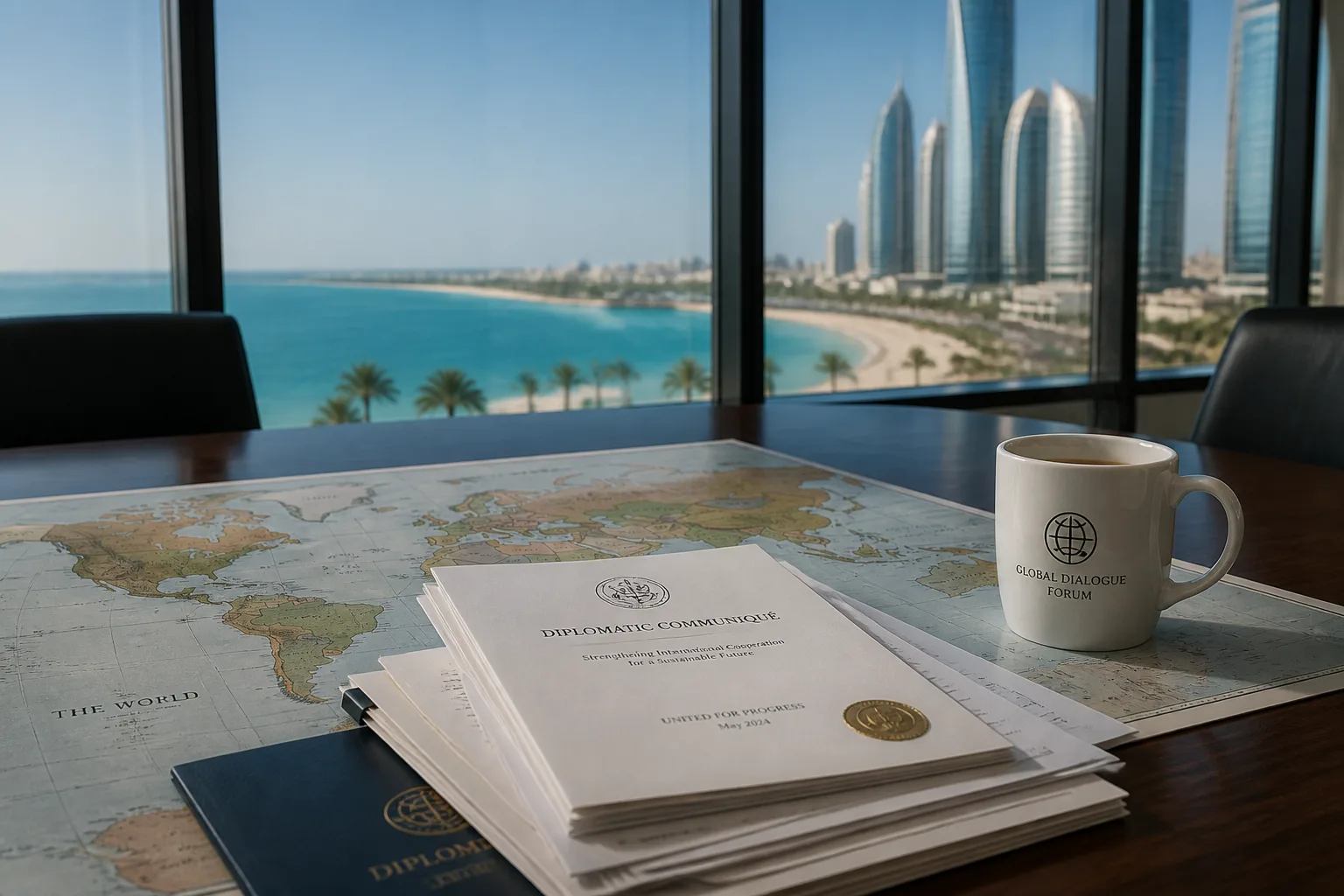
The GCC summit in Bahrain is scheduled to take place in Manama on the week’s final day. The meeting will likely cover topics such as the ongoing tensions with Iran, the status of the Israel‑UAE normalization accords, and the economic impact of fluctuating oil prices. According to a third unnamed source cited by Axios, the summit will also address the need for coordinated humanitarian aid across the Gulf.
The State Department’s silence on the trip has prompted speculation. Officials said they had not yet received a formal itinerary, but the travel plan was reported by Axios based on two unnamed sources. The lack of confirmation means that the U.S. government has not yet publicly endorsed the specific agenda or the timing of the summit.
Rubio’s visit follows a period of heightened regional volatility, including the recent escalation of hostilities in the Gaza Strip and increased Iranian naval activity in the Persian Gulf. The U.S. has repeatedly emphasized the importance of maintaining stability in the region, and a high‑level meeting with GCC foreign ministers is seen as a way to reinforce U.S. commitments.
The UAE’s extradition of the three individuals wanted by Belgium demonstrates the country’s willingness to engage in international cooperation on security matters. The extradition was reported by local media and confirmed by the UAE’s Ministry of Interior, which said the individuals were charged with serious crimes in Belgium.
In the broader context, the trip represents the U.S. administration’s effort to strengthen ties with Gulf states amid shifting alliances. The GCC has historically coordinated on defense and economic policy, and the U.S. seeks to ensure that the bloc remains aligned on key strategic issues.
At present, the U.S. government has not released a detailed schedule for Rubio’s visit. The next steps will likely involve confirmation from the State Department and the announcement of the specific agenda items for the GCC summit. The U.S. and Gulf partners will be watching closely to see how the meeting addresses the region’s security challenges and humanitarian needs.
The trip, if confirmed, will mark a significant moment in U.S. engagement with the Gulf, potentially setting the tone for future cooperation on energy, security and humanitarian issues across the Middle East.