Vice President Vance Heads to Switzerland for US-Iran Talks Amid Ongoing Ceasefire
The night sky over Joint Base Andrews flickered as Vice President James D. Vance boarded a flight bound for Switzerland, setting the stage for a high‑stakes diplomatic summit that could reshape the region’s fragile calm.
Vance departed from Andrews on Thursday night, a delay from the originally planned Friday departure that stemmed from logistical complications and the escalating conflict between Israel and Hezbollah in Lebanon. The Vice President’s arrival in Switzerland was timed to coincide with a short‑term session at the Bürgenstock Resort, a luxury complex perched 500 metres above Lake Lucerne. The resort’s secure environment and proximity to Geneva have made it a favored venue for sensitive negotiations.
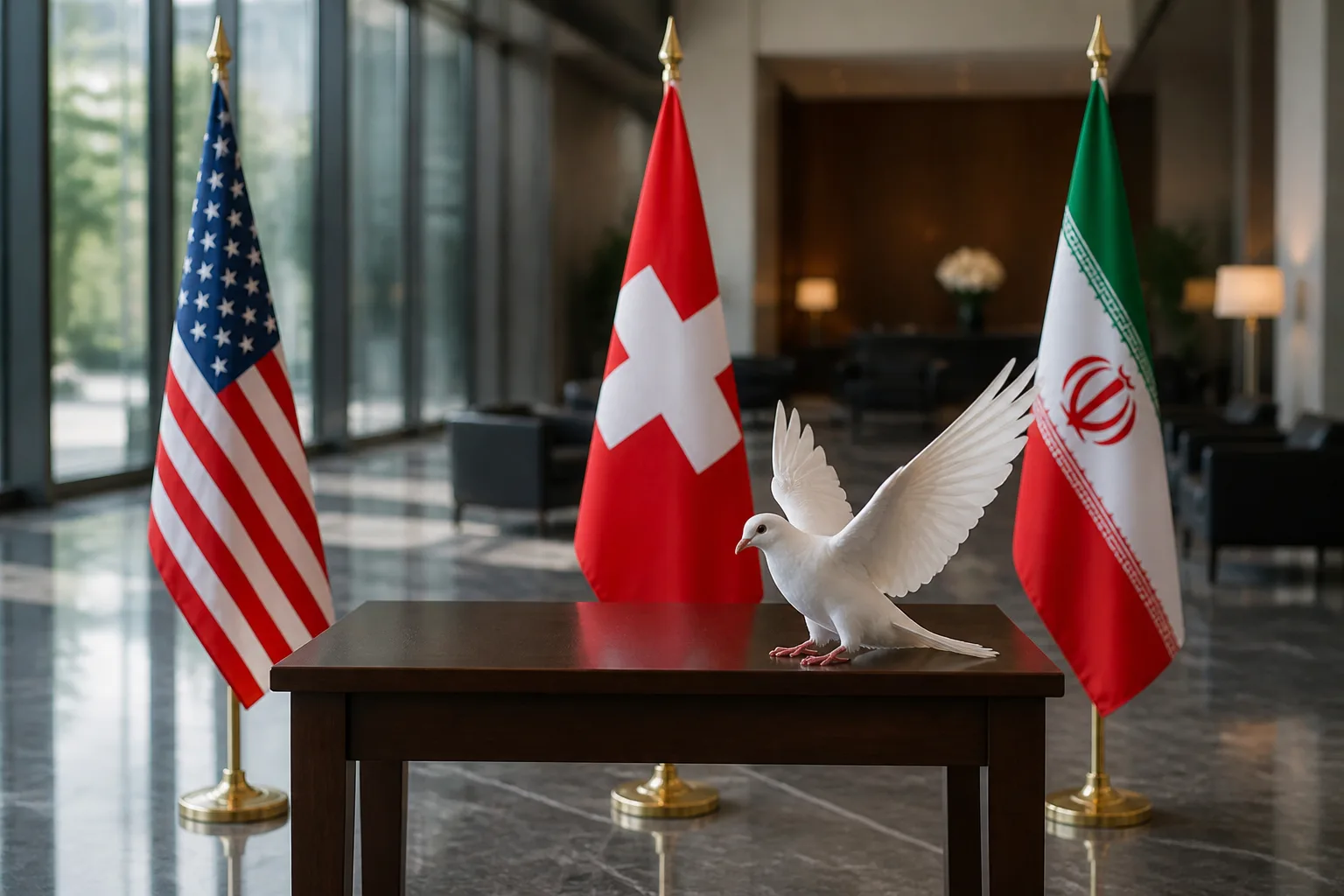
The meeting, scheduled for Sunday, follows the signing of a memorandum of understanding (MoU) between the United States and Iran on 18 June 2026. The MoU, brokered by Pakistan and Qatar, extends the ceasefire that ended hostilities on 14 June. Under its terms, the United States will lift its naval blockade of the Strait of Hormuz, allowing shipping to resume, while both sides agree to negotiate limits on Iran’s nuclear program, the disposal of highly enriched uranium, sanctions relief, and the release of frozen Iranian assets within a 60‑day window.
At the Bürgenstock Resort, the Iranian delegation will be led by Foreign Minister Abbas Araghchi and Speaker of Parliament Mohammad‑Bagher Ghalibaf. The U.S. delegation will include Special Envoys Steve Witkoff and Jared Kushner.
"I’m looking forward to starting technical talks with the Iranians, the Pakistanis, and the Qataris. Our understanding is that the Iranians just landed," Vance told reporters as he left Andrews. "We’ll have a couple of days of talks, try to get this thing kicked off in the right way. There’s a lot to discuss, but we’re gonna go through it all."
The Vice President also addressed the situation in Lebanon. "Despite the headlines, things are actually getting better there," he said. "It’s going to be something we just have to continuously manage to ensure that Israel and Lebanon are both safe and secure."
Vance indicated that the Swiss talks would last only a day or two, with a focus on the nuclear issue and the Lebanon ceasefire. "We’ll only be there for a day or two," he added. "I hope to make progress on the nuclear issue and the Lebanon ceasefire issue."
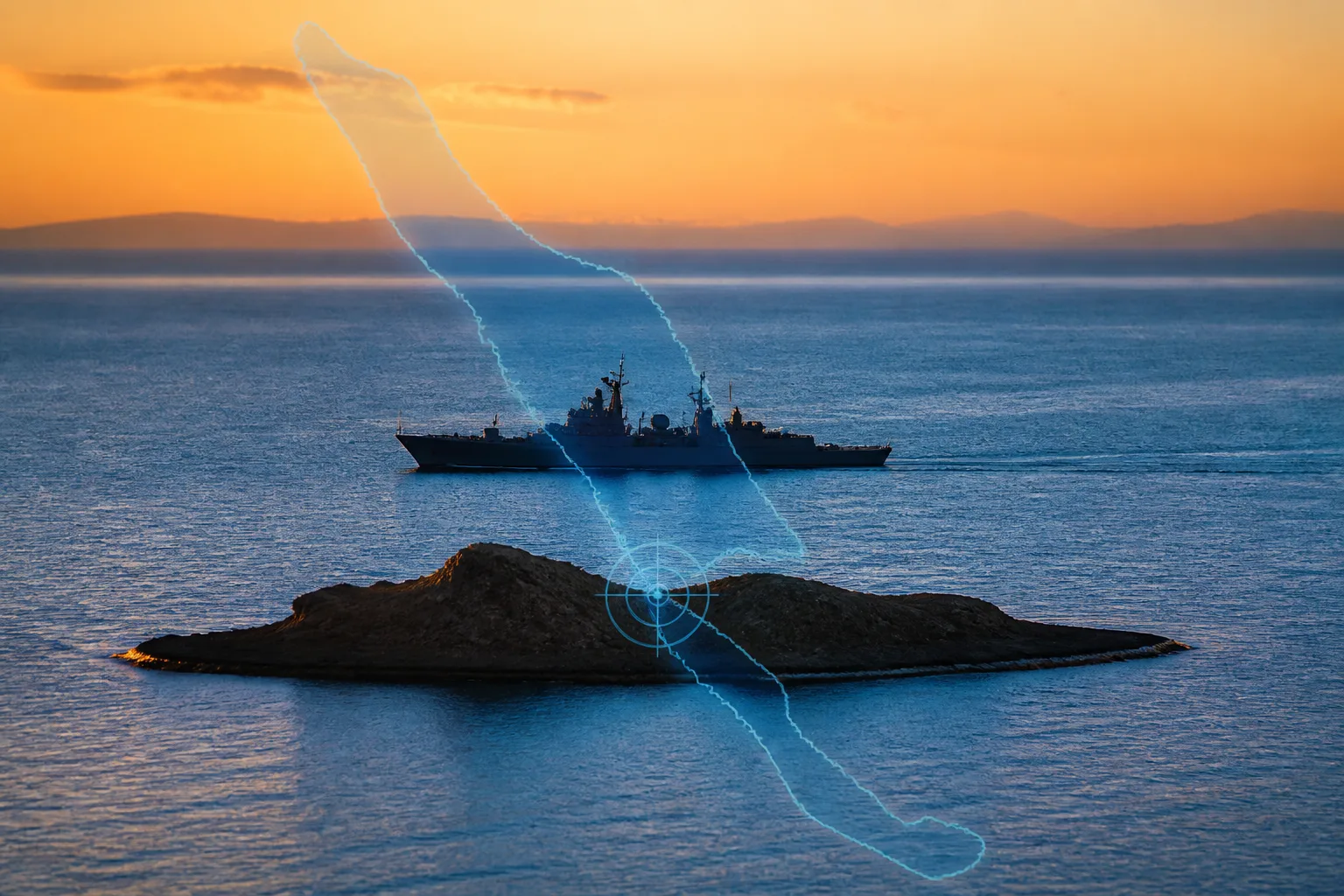
The Strait of Hormuz, a critical shipping lane for global oil traffic, has been a flashpoint in the conflict. Iran’s military had earlier claimed it was closing the strait in response to fighting in Lebanon, a claim U.S. officials denied. Vance responded to the claim on Fox News, stating, "We got 16 million barrels out of the Strait of Hormuz in the last 24 hours. That is basically to where it was before the war even started, and so that suggests that the straits really are open."
"We’re not seeing any evidence that the Iranians are still closing down the Strait of Hormuz," he added.
President Donald Trump also weighed in on the issue, saying there would be no tolls on the strait after a 60‑day period, but suggesting that the United States might charge tolls in the future if the deal is not completed. "There will be NO TOLLS after the 60‑day period has expired, unless they are imposed by and for the United States of America," Trump said in a statement.
The Bürgenstock Resort’s high‑altitude setting has previously hosted diplomatic meetings of international importance, making it an ideal backdrop for the delicate negotiations. The U.S.–Iran talks are part of a broader effort to stabilize the region following a three‑month war that began on 28 February 2026, when Israel and the United States launched a joint attack on Iranian targets. The conflict caused significant economic and political fallout, including the closure of the Strait of Hormuz for much of the war.
The MoU’s 60‑day window is intended to lay the groundwork for a final settlement. While the agreement does not constitute a formal peace treaty, it signals a willingness on both sides to engage in direct dialogue. Analysts note that the success of the Swiss talks will hinge on the willingness of both parties to address the nuclear issue and the broader security concerns in Lebanon.
As the Vice President prepares to travel, the international community watches closely. The outcome of the Swiss negotiations could have lasting implications for U.S. policy in the Middle East, the stability of the Strait of Hormuz, and the prospects for a comprehensive resolution to the Iran‑United States conflict.
The next steps will involve the exchange of detailed proposals on nuclear limits and sanctions relief, with the expectation that a final agreement could be reached within the 60‑day period stipulated in the MoU.