Central Bank Warns Middle East Conflict Will Keep Russian Inflation Risks High, Says Governor Nabiullina
On 21 June 2026, Moscow’s financial hub rattled as the Central Bank of Russia (CBR) cautioned that the Middle East war could keep inflation on a feverish high. Governor Elvira Nabiullina told reporters that the longer the conflict drags on, the greater the pro‑inflationary pressure becomes, but a resolution would ease those risks compared with earlier assessments.
"We have said that the longer the conflict drags on, the greater the pro‑inflationary risk becomes. We now believe that if the conflict concludes, these pro‑inflationary risks will decrease compared to our earlier assessments," Nabiullina said during a press conference in Moscow. She cited rising transport costs for domestic businesses and increasing import prices as the main drivers of the current risk.
The war has triggered a global surge in commodity prices. According to data released by the CBR, fertilizer costs have risen 47 % since the conflict began, while oil prices have topped $100 per barrel. In the United States, gasoline prices reached $4.56 per gallon in early June, a level that has amplified import costs for Russian firms that rely on imported fuel and other energy‑related inputs.
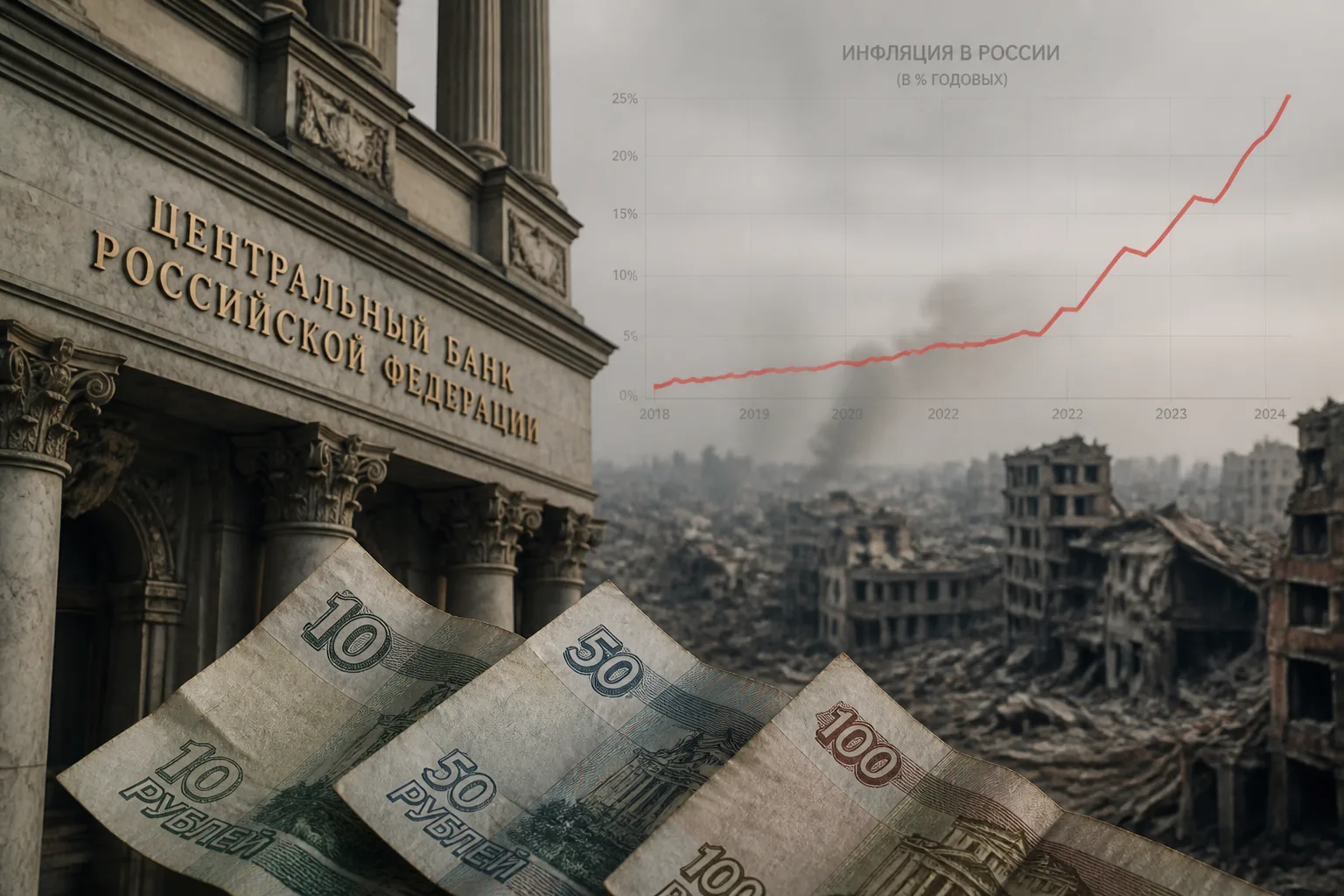
These price shocks have translated into higher inflation for Russia. The Bank of Russia’s own statistics show that consumer inflation slowed to 8.2 % in May, after a peak of 8.6 % in April and a rise from 7.4 % in January. Analysts attribute the recent uptick to the Middle East war, which has tightened global supply chains and pushed up the cost of raw materials.
The CBR’s warning comes at a time when the Russian central bank has been cautious about easing monetary policy. In a recent statement, the bank noted that inflationary risks are holding back a sharper cut in the key policy rate, which has remained at 15 % since March. The bank’s stance reflects a broader concern that the war‑driven price pressures could undermine the stability of the ruble and the broader economy.
The global context is equally grim. In January, the World Bank cut its 2026 global growth forecast to 2.5 %, citing the Middle East conflict as a major factor. The International Monetary Fund’s April 2026 outlook also warned that rising commodity prices and firmer inflation expectations would test the resilience of recent economic gains.
Russia’s inflation trajectory has been closely watched by policymakers because it influences the central bank’s decisions on interest rates and foreign‑exchange interventions. The CBR’s latest comments suggest that the bank will maintain a tight stance until the conflict subsides and the price shocks ease.
While the war’s direct impact on Russia is limited compared with the energy‑rich Gulf states, the country’s economy is still exposed through global supply chains. Russian exporters of machinery and chemicals face higher input costs, and importers of food and energy‑related goods see their prices rise. The transport sector, in particular, has been hit by increased fuel costs and higher freight charges.
The CBR’s assessment also highlights the interconnectedness of global markets. A conflict in the Middle East that raises oil and fertilizer prices can ripple through to inflation in distant economies, as seen in Russia’s recent data. The bank’s statement underscores the importance of monitoring geopolitical developments as part of macro‑prudential policy.
In summary, the Central Bank of Russia has signalled that the Middle East war remains a key source of inflationary risk for the country. Governor Nabiullina’s remarks suggest that a resolution would help to lower those risks, but until then the bank will likely keep policy rates high to guard against a surge in consumer prices.
The next steps for the CBR will involve continued monitoring of price developments and the global economic environment. The bank has not yet announced any changes to its policy stance, but it has indicated that it will adjust its approach if the conflict ends or if inflationary pressures change.
The situation remains fluid, and the Russian central bank will likely revisit its assessment as new data on inflation, commodity prices and geopolitical developments become available.