Iran, U.S. Prepare for First Direct Talks Since April Amid Ongoing War and Strait Closure
In a world still reverberating from the clashes that erupted in February, the snow‑clad slopes of Switzerland’s Burgenstock will soon host the first face‑to‑face U.S.–Iran dialogue since the Islamabad summit in April.
Iran’s president, Masoud Pezeshkian, has affirmed that the memorandum of understanding signed with Washington safeguards Tehran’s interests and that the tangible benefits of the talks will surface soon. The meeting is slated to begin on Sunday, with both delegations converging on the Burgenstock ski resort.
Pezeshkian noted that former U.S. president Donald Trump has altered his stance, citing a recent speech in which Trump declared that “many things are the right of the Iranian people.” He added that the gains from the negotiations would become evident in the near future.
On Saturday, U.S. vice‑president J.D. Vance flew to Switzerland to prepare for the encounter. In a brief statement to reporters, Vance said, “I think we’re going to hopefully make progress on the nuclear issue, make progress on the Lebanon ceasefire issue. Those are the two big things that I think we’re to be focused on.” The American delegation also includes White House envoys Steve Witkoff and Jared Kushner.
Iran’s delegation, led by Parliament Speaker Mohammad‑Bagher Ghalibaf and Foreign Minister Abbas Araghchi, arrived on Saturday. They were accompanied by the prime ministers of Pakistan and Qatar, Pakistan’s top general, and the director of the International Atomic Energy Agency (IAEA). Their presence signals the international community’s keen interest in a resolution.
The talks are expected to launch a 60‑day nuclear negotiation phase. Washington aims for the first round to conclude with an Iranian invitation for United Nations inspectors to visit nuclear sites that were bombed by U.S. and Israeli forces. Two regional sources with direct knowledge said the last such visit occurred before the war in June 2025.
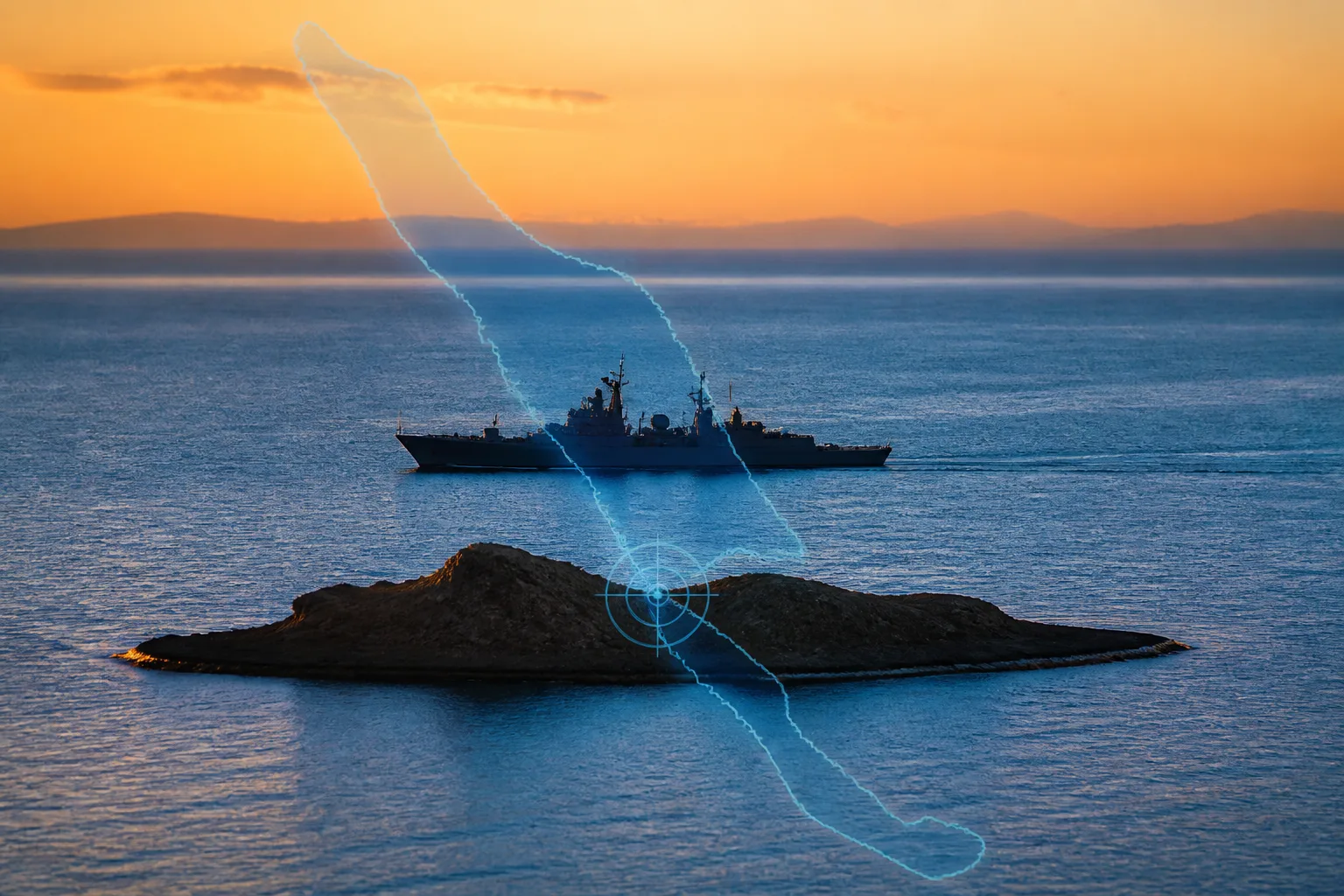
The negotiations unfold amid heightened tension. Iran announced on Saturday that it was shutting down the Strait of Hormuz in response to Israeli ceasefire violations in Lebanon. The closure, a claim made by Iranian officials, could disrupt global shipping and add pressure on the negotiating parties.
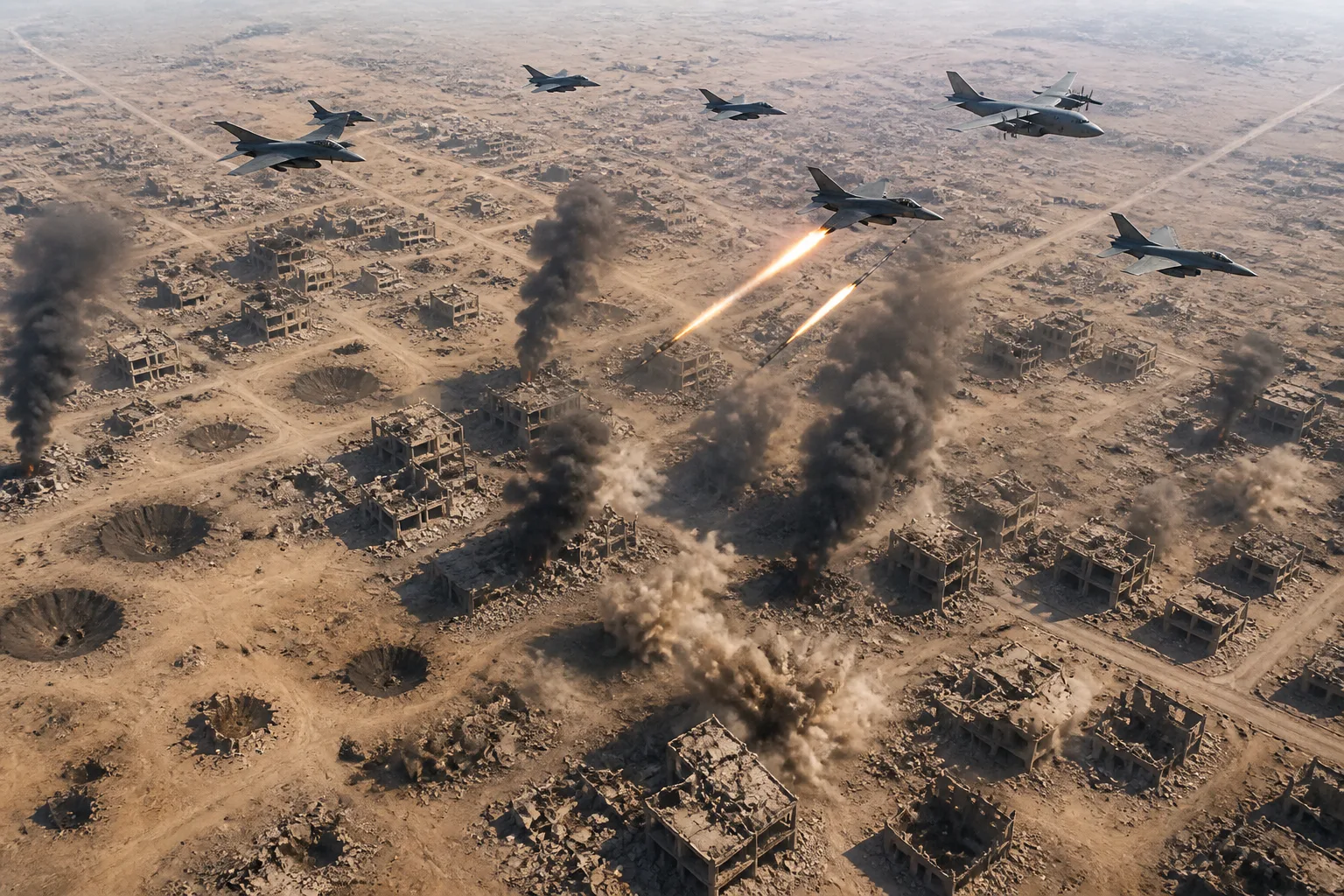
The war between the United States, Israel, and Iran began in February 2026 after U.S. and Israeli forces launched a large‑scale offensive aimed at preventing Iran from acquiring a nuclear weapon. The conflict has involved airstrikes, naval engagements, and attacks on U.S. bases in Bahrain and Kuwait, as well as on vessels in the Strait of Hormuz.
In the months since the war’s onset, the U.S. and Iran have continued diplomatic efforts. On April 12 2025, the two sides began a series of negotiations following a letter from President Trump to Supreme Leader Ali Khamenei. Trump set a two‑month deadline for an agreement, and the parties have since discussed a potential 15‑year suspension of Iranian uranium enrichment.
Burgenstock has historically hosted high‑level diplomatic meetings. Switzerland’s neutrality and the resort’s secure location make it an appropriate venue for sensitive talks. The Swiss foreign ministry confirmed that preparations were proceeding despite the war’s escalation.
Both sides have expressed cautious optimism. Pezeshkian emphasized that the memorandum protects Iran’s interests, while Vance highlighted the importance of progress on nuclear and regional security issues. The presence of the IAEA director signals a willingness to involve an international body in monitoring compliance.
The outcome of the first round will set the tone for subsequent negotiations. If the parties can agree on a framework that includes a halt to enrichment and a path to inspections, it could reduce the risk of further military escalation. Conversely, a breakdown in talks could exacerbate tensions, especially if the Strait of Hormuz remains closed.
The international community, including the United Nations and regional actors, will closely watch the proceedings. The next steps will depend on the ability of the U.S. and Iran to reconcile their positions amid ongoing hostilities and geopolitical pressures.
In summary, the upcoming talks at Burgenstock represent a critical juncture in U.S.–Iran relations. The negotiations aim to address nuclear disarmament and regional security while navigating the challenges posed by the war and the Strait of Hormuz closure. The world will be watching to see whether the parties can move beyond rhetoric and reach a substantive agreement.