Vice President Vance Arrives in Switzerland for US-Iran Talks Amid Lebanon Tensions and Hormuz Dispute
On the night of June 20, 2026, Vice President James David Vance touched down in Geneva aboard Air Force Two, setting the stage for a brief but high‑stakes dialogue with an Iranian delegation that arrived on the same evening. The Iranian envoys, led by Parliament Speaker Mohammad Bagher Ghalibaf and Foreign Minister Abbas Araghchi, had flown in to pursue a memorandum of understanding signed between the United States and Iran under former President Donald Trump.
The Swiss meetings were slated to begin on Friday, but a sudden flare‑up between Israeli forces and Hezbollah in northern Israel and southern Lebanon forced the Swiss government to postpone the first session. According to reports, the escalation prompted the cancellation, as officials cited the need to preserve a safe environment for both delegations.
Vance’s arrival was accompanied by special envoys Steve Witkoff and Jared Kushner, who had already been in Switzerland preparing the groundwork for the negotiations. The U.S. delegation’s stated objective was to confirm that the United States would honor its commitments under the interim agreement before any longer‑term talks could move forward.
The Iranian delegation’s presence in Switzerland is part of a broader, Pakistan‑mediated process. Pakistani Prime Minister Shehbaz Sharif and Army Chief Field Marshal Syed Asim Munir have been coordinating the technical aspects of the talks, with Qatar also providing facilitation. Officials in Islamabad said the mediation effort aims to prevent the conflict from spreading beyond the Middle East.
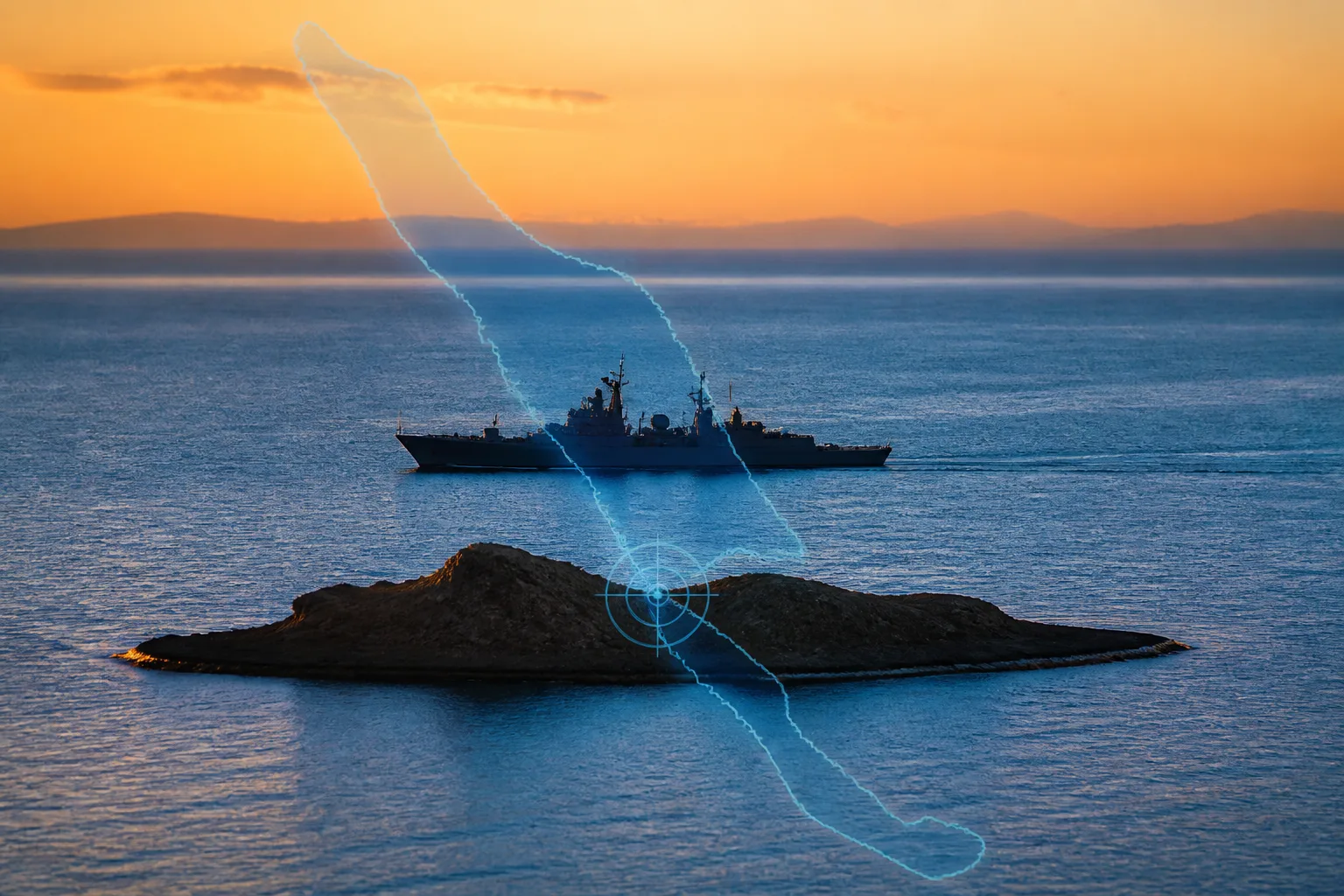
A key sticking point remains the status of the Strait of Hormuz. In the wake of Israeli airstrikes that Tehran condemned as a violation of the interim agreement, the Iranian military announced it had closed the waterway to international shipping. The U.S. military quickly responded that maritime traffic continues to flow and that Iran does not control the strait. The incident has heightened concerns among global energy markets, as the strait is a critical chokepoint for oil transport.
The interim agreement, signed in 2025, deliberately left unresolved several core issues, including Iran’s nuclear program, ballistic missile development, and the free passage of ships through the Hormuz. The U.S. delegation’s brief stay in Switzerland is intended to assess whether Tehran is implementing the commitments it made under that agreement.
According to the Iranian foreign ministry, spokesman Esmail Baghaei said on Saturday that the delegation’s primary goal was to verify U.S. compliance before any permanent peace talks could be considered. The statement reflects Tehran’s deep skepticism about the U.S. willingness to honor past agreements.
The Lebanon conflict has added urgency to the talks. The U.S. and Iran have both called for an immediate ceasefire across Lebanon, but neither Israel nor Hezbollah has formally signed a ceasefire agreement. The ongoing hostilities have made it difficult for the Swiss negotiators to achieve consensus on a broader regional peace.
Vance, who has stated he intends to spend only a day or two in Switzerland, framed the visit as a chance to make concrete progress on the nuclear issue and the Lebanon ceasefire. He acknowledged that the Iranian delegation would bring its own list of grievances.
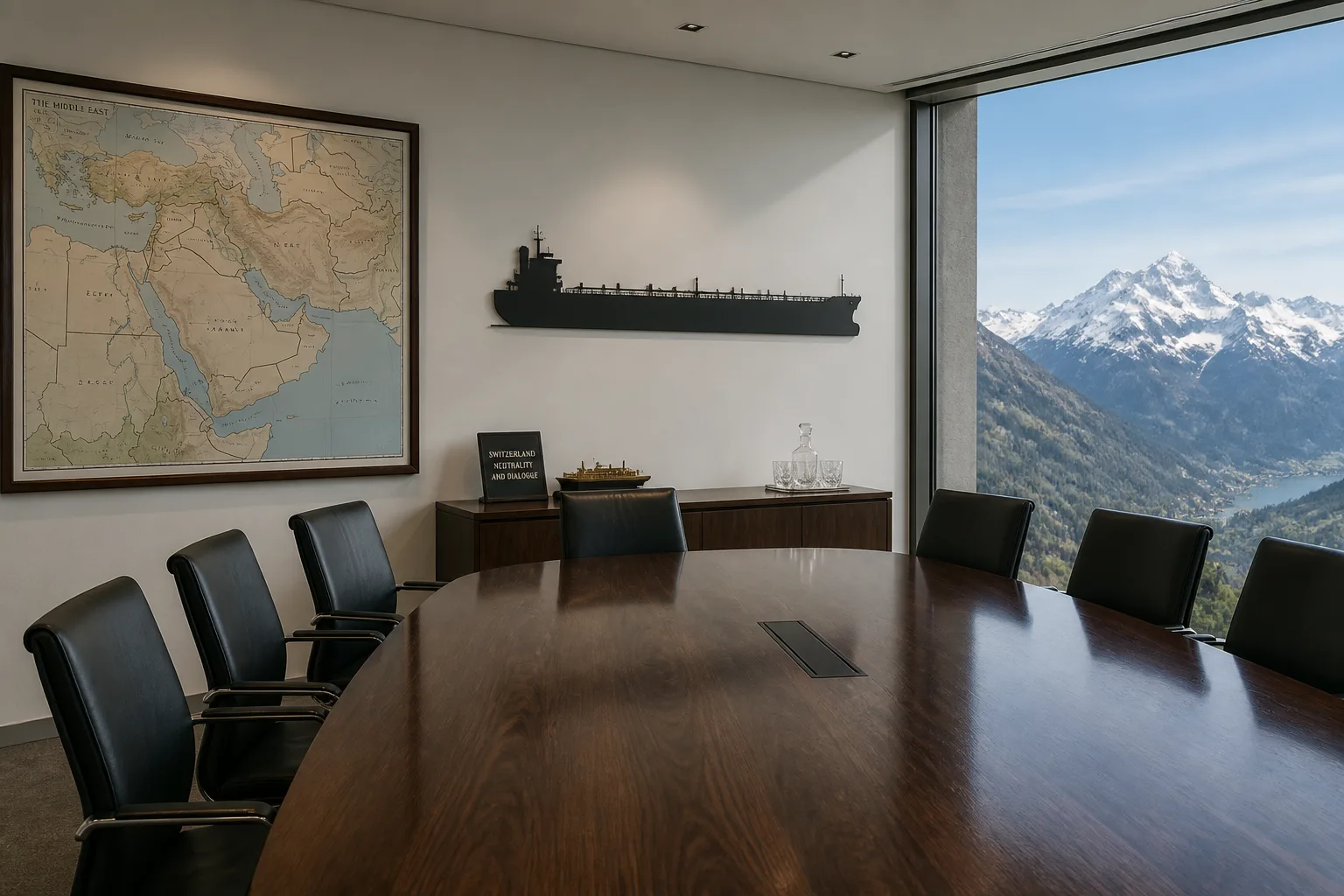
The Swiss setting—neutral, quiet, and far removed from the front lines—highlights the contrast between diplomatic negotiations and the realities on the ground. The Swiss government has maintained that the talks will proceed once security conditions allow.
As the delegations prepare to resume discussions, the international community watches closely. The outcome of the Swiss talks could influence the trajectory of U.S. policy toward Iran, the stability of the Middle East, and the security of global energy supplies.
In summary, Vice President Vance’s arrival in Switzerland marks a short‑term diplomatic effort to verify U.S. commitments under a Trump‑era agreement, amid a backdrop of Lebanon hostilities and a disputed Hormuz blockade. The success of the talks will depend on the willingness of both sides to address long‑standing mistrust and to find common ground on the most contentious issues.