Arab League Urges Global Action as Sudans El-Obeid Faces Humanitarian Catastrophe
On Tuesday, July 7, 2026, Arab League Secretary‑General Nabil Fahmy stepped onto the international stage to warn that the Sudanese city of El‑Obeid was teetering on the brink of a wider humanitarian and security disaster.
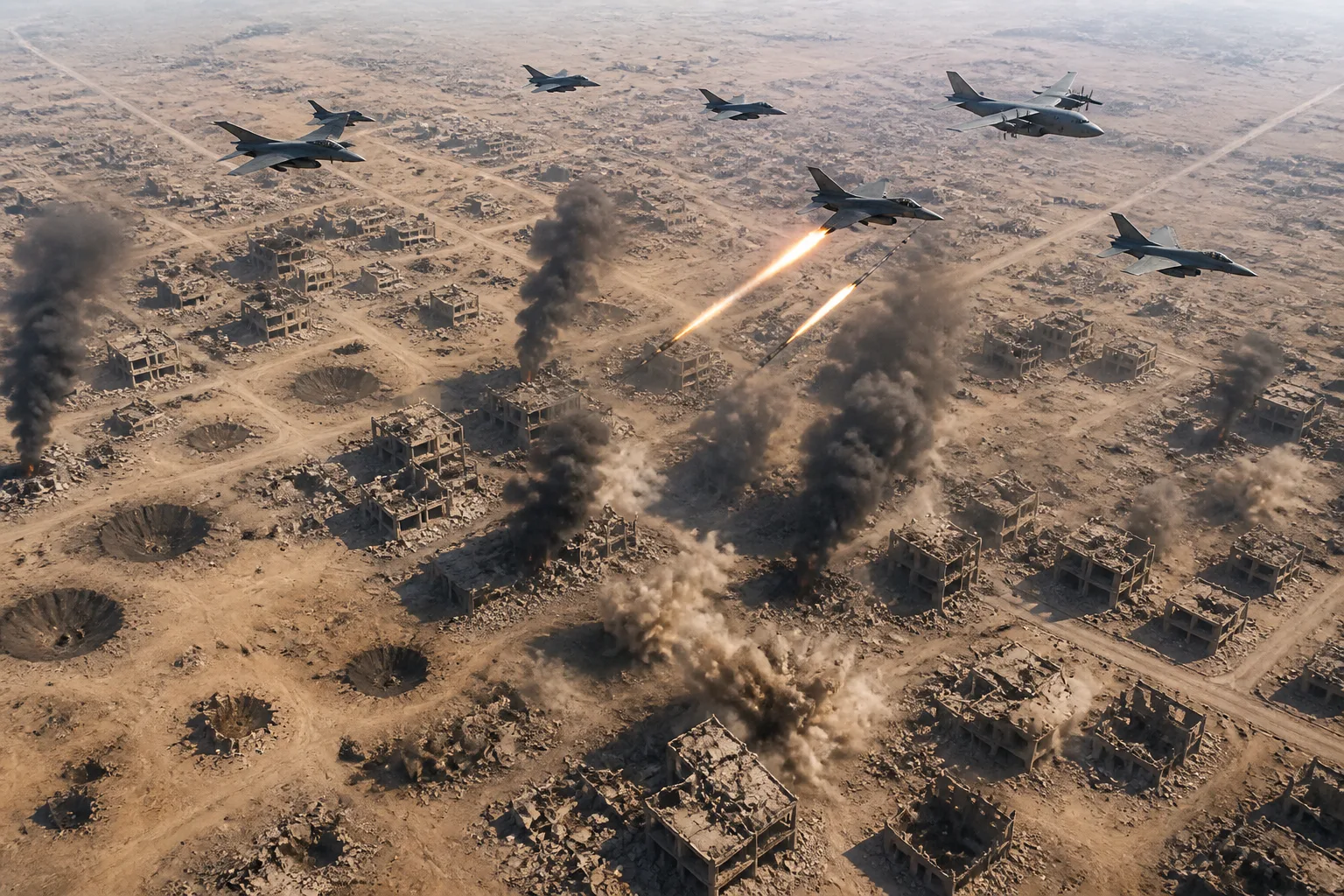
Fahmy’s address came amid a grim tableau: more than half a million civilians—including tens of thousands of internally displaced people—were trapped in a city under siege. Drone strikes launched by the Rapid Support Forces (RSF) have repeatedly struck markets, schools, hospitals and vital utilities such as water and electricity. Reports confirm that the RSF, the paramilitary wing that has been battling the Sudanese Armed Forces (SAF) since the war erupted in April 2023, has been targeting El‑Obeid for roughly a month. The strikes have hit the city’s main power station, fuel depots and other civilian sites, leaving dozens dead and injured.
The League’s warning was not without precedent. In 2025, RSF forces carried out a large‑scale massacre in El‑Fasher, a tragedy that left the international community re‑examining the RSF’s conduct. Fahmy cautioned that a continued military buildup and relentless attacks on residential neighbourhoods could repeat those atrocities.
He called for a coordinated push—both regional and global—to prevent El‑Obeid from sliding into a broader humanitarian and security crisis. The goal, he said, was to end actions that prolong the conflict and to uphold Sudan’s unity, sovereignty and territorial integrity. The Arab League reaffirmed its support for an inclusive, Sudanese‑led political process and urged dialogue among Sudanese parties to protect civilians, ease the humanitarian emergency and forge a lasting settlement.
The League’s appeal is part of a five‑party mechanism that includes the African Union, the United Nations, the European Union and the Intergovernmental Authority on Development (IGAD). The mechanism seeks to coordinate diplomatic efforts and present a united front.
Just a day earlier, the UN Human Rights Council adopted a resolution demanding an urgent investigation into violations against civilians in El‑Obeid. The resolution condemned the escalating violence by the RSF and its allies. Volker Türk, the UN’s human‑rights chief, described the situation as a “human rights catastrophe” and urged the world to act.
A separate UN Security Council statement, adopted on June 20, demanded that the RSF immediately halt its assault on El‑Obeid, citing the imminent risk of mass atrocities.
The Sudanese war has become one of the world’s worst humanitarian crises. Since April 2023, fighting between the SAF and the RSF has killed tens of thousands, displaced nearly 13 million people and triggered widespread famine, disease outbreaks and the collapse of essential services. The RSF has been accused of war crimes and crimes against humanity, including the genocide of non‑Arab populations in Darfur and the systematic targeting of civilians in urban centres.
El‑Obeid’s strategic position on a key route linking RSF‑held areas in western Darfur to army‑controlled regions in the east makes it a focal point of the conflict. Continuous drone attacks have plunged neighbourhoods into darkness, shut down water pumps and disrupted access to medical care. Humanitarian agencies report that the city’s infrastructure is deteriorating rapidly, and that the civilian population faces increasing shortages of food, clean water and electricity.
The League’s appeal arrives as regional and international actors wrestle with how to intervene without escalating the conflict further. The five‑party mechanism offers a coordinated diplomatic framework, but the RSF’s continued use of drones and the absence of a ceasefire have stalled progress. The UN’s red alert over El‑Obeid underscores the urgency of a comprehensive response that blends humanitarian aid, civilian protection and a political settlement.
In short, the Arab League’s call for intensified international action shines a spotlight on the escalating crisis in El‑Obeid, where drone attacks by the RSF threaten to repeat the atrocities of El‑Fasher and deepen Sudan’s humanitarian disaster. The UN’s recent resolutions and statements reflect a growing consensus that urgent investigation, protection and a political solution are essential to prevent further loss of life and restore stability to the region.