Israeli Flag Seen on Ali al-Taher Hill as Occupation Continues in Southern Lebanon
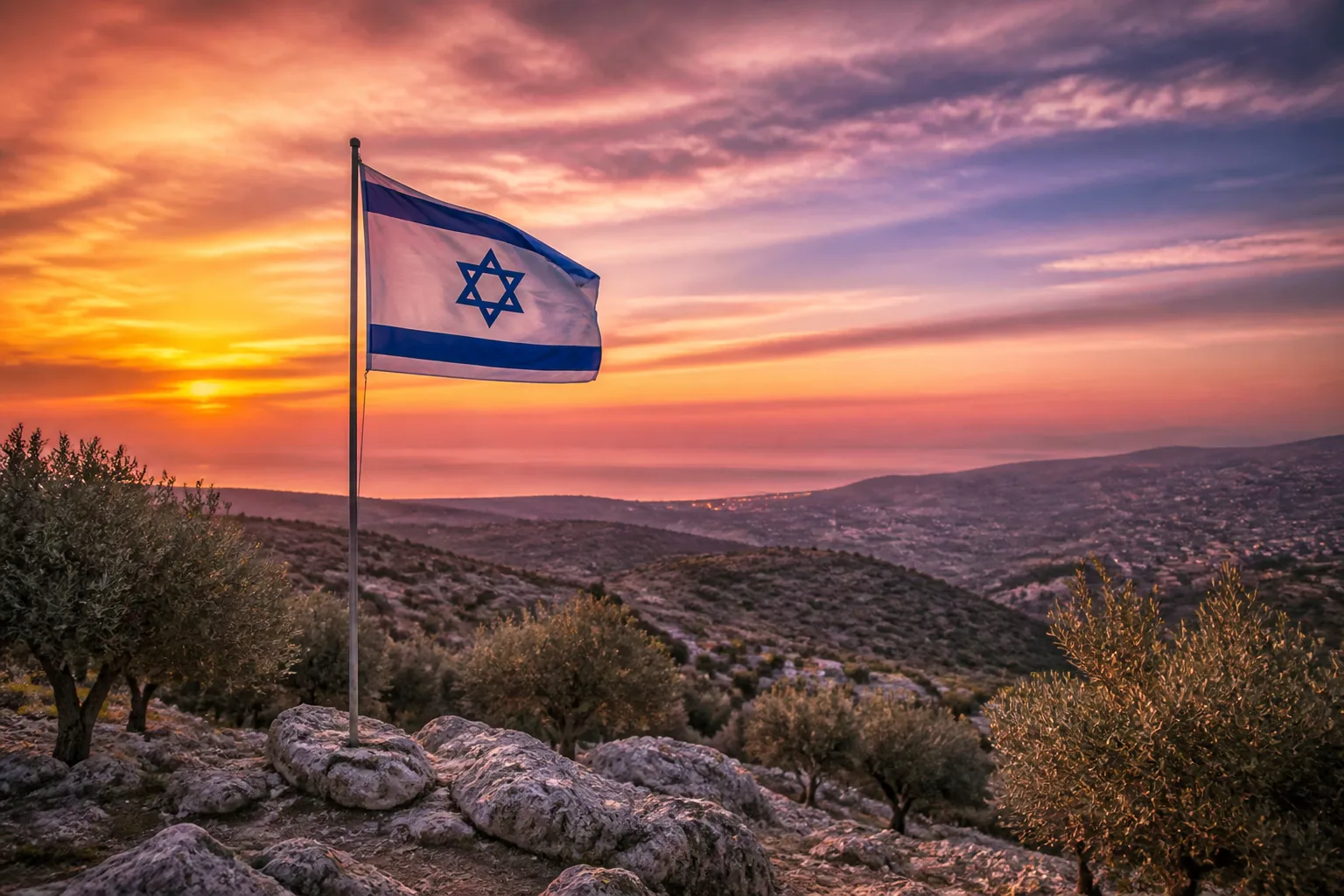
An Israeli flag unfurled on a wind‑blown ridge early Tuesday, a silent signal that the occupation of southern Lebanon is still alive. The flag hung on Ali al‑Taher Hill, a strategic high point overlooking Nabatieh, the city that has become a focal point of the ongoing conflict.
The sighting was reported by Anadolu, which noted that no Israeli soldiers, combat vehicles or active military maneuvers were visible near the hill. Yet the presence of the flag alone marks a clear statement: Israeli forces consider the position worth maintaining.
The hill sits north of the Litani River and rises to one of the highest elevations in the Nabatieh district. From its summit, observers can see the city of Nabatieh, the surrounding towns and the key transportation routes that crisscross the southern theatre. Its proximity to the Israeli‑occupied Beaufort Fortress—known locally as Qalaat al‑Shaqif—adds further tactical value, allowing monitoring of logistics networks and potential movement of forces.
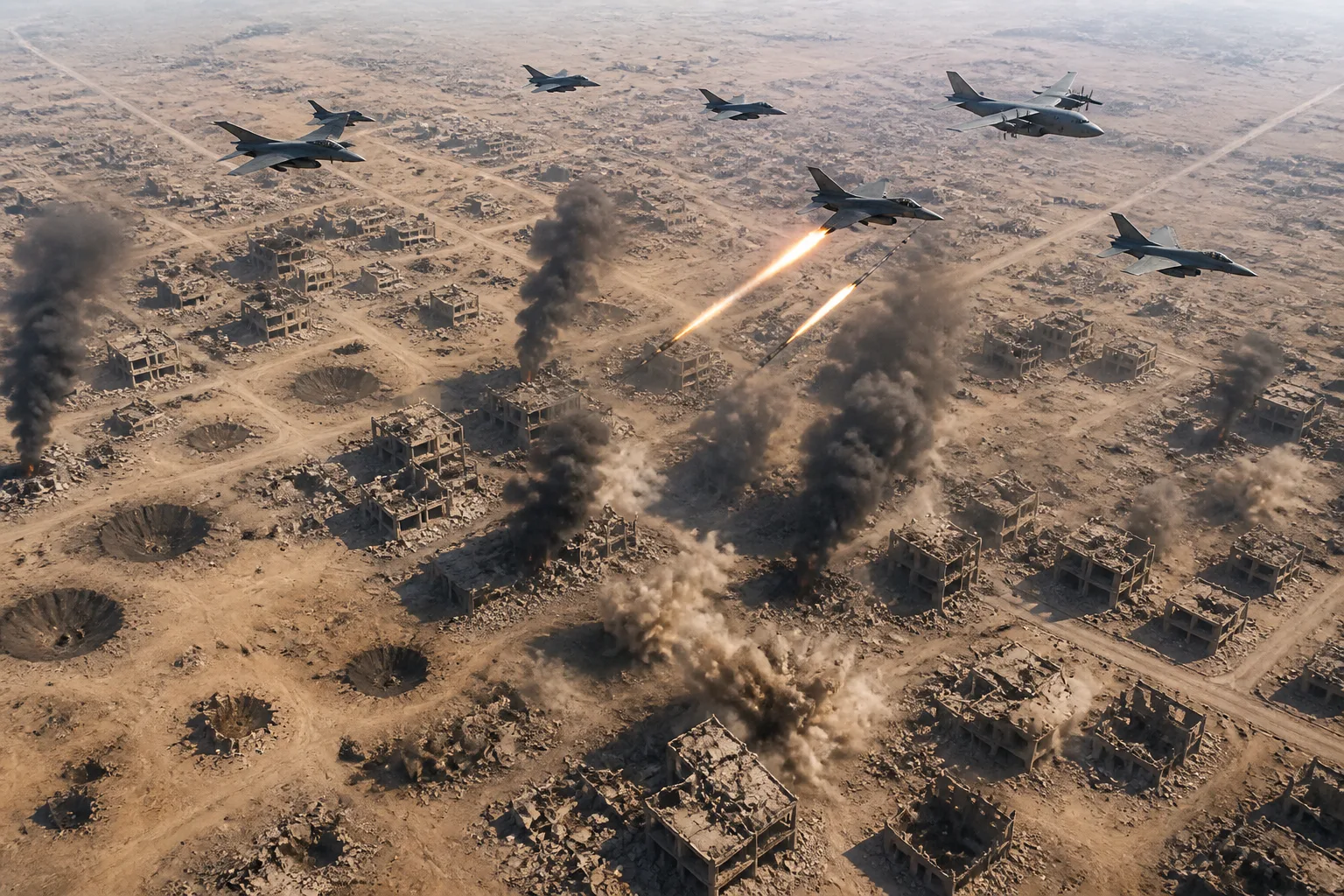
The flag’s appearance is set against a backdrop of violence that began on 2 March 2026, when Israel launched a ground offensive into southern Lebanon after a series of Hezbollah attacks. According to Lebanon’s Health Ministry, the war has already claimed 4,304 lives, injured 12,203 people, and displaced more than one million residents.
In late June, a trilateral framework agreement was signed in Washington by Lebanon, Israel and the United States. The pact, signed on 26 June 2026, outlines a phased Israeli withdrawal beginning with two pilot areas. However, the agreement does not mandate an immediate exit from all occupied zones, and Israeli forces continue to maintain a presence in parts of southern Lebanon.
The flag on Ali al‑Taher Hill, therefore, is more than a piece of cloth; it is a visual reminder that the occupation has not ended. While the hill itself shows no signs of active military activity, the flag signals that Israeli forces still view the position as strategically relevant. No statements have been released by Israeli officials regarding the flag, and no Lebanese or international bodies have confirmed a change in troop deployment.
The war has seen repeated clashes between Israeli forces and Hezbollah fighters, with both sides exchanging artillery, airstrikes and ground attacks. The framework agreement has been criticized by some Lebanese officials and human‑rights groups for limiting the right to seek justice for war crimes and for prolonging displacement. Despite the agreement, Israeli troops remain in the area, and the flag’s presence underscores the unresolved status of the occupation.
At present, the situation on the ground remains fluid. The flag on Ali al‑Taher Hill stands as a visible marker of Israel’s continued presence in southern Lebanon, even as the country moves toward a negotiated withdrawal. The war’s casualties and displacement figures continue to rise, and the international community watches closely to see whether the framework agreement will lead to a full disengagement or whether the occupation will persist.
The next steps in the conflict will depend on the implementation of the trilateral agreement, the willingness of both sides to negotiate, and the broader geopolitical dynamics involving Hezbollah, Iran and the United States. For now, the flag on Ali al‑Taher Hill remains a stark reminder of the enduring tensions that still define southern Lebanon.