Maersk Resumes Middle East-US East Coast Shipping via Suez Canal After Red Sea Attacks
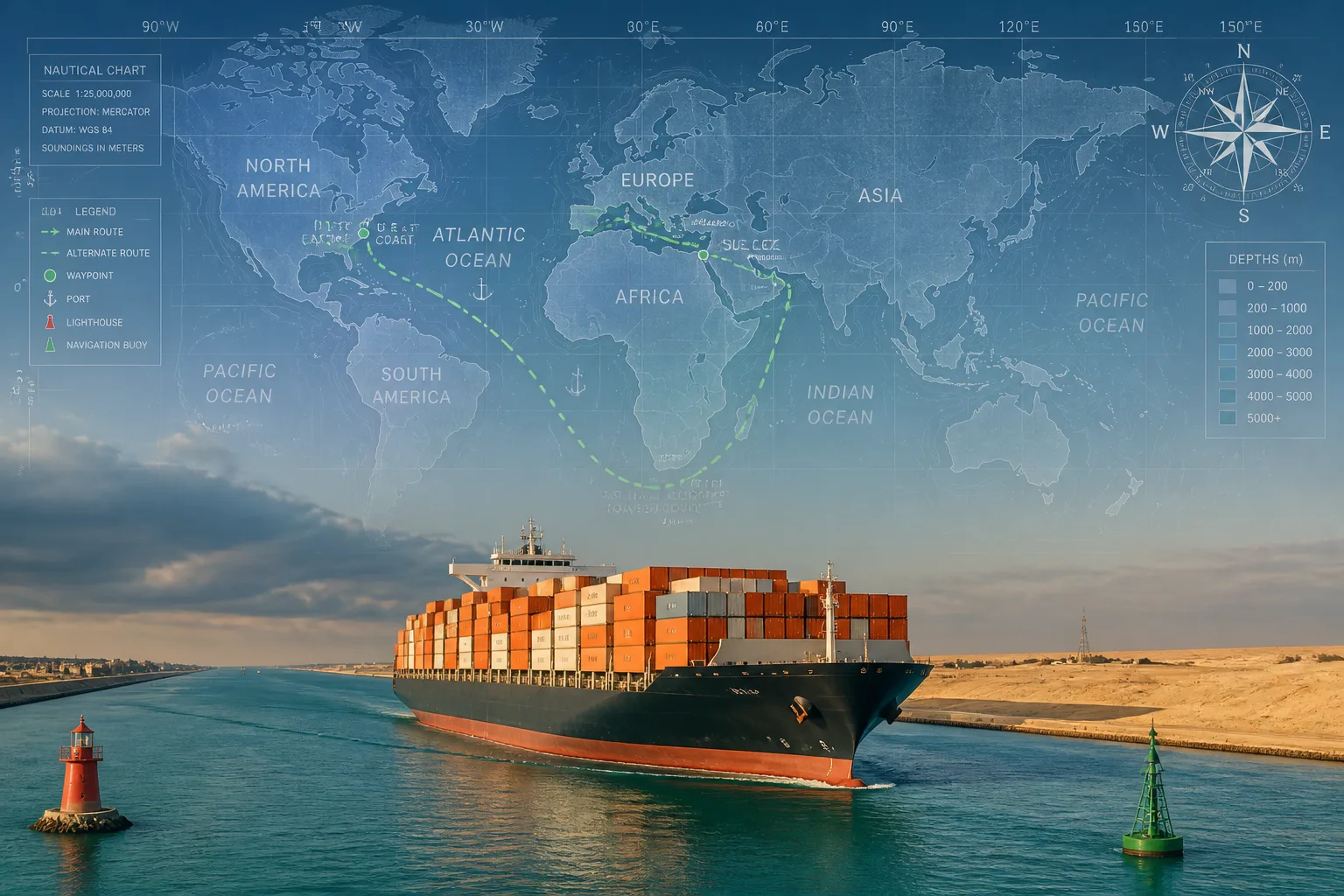
With a steady tide of confidence, Maersk A/S announced Thursday that it will once again chart the Suez Canal for its Middle East‑to‑U.S. East Coast (MECL) service. The decision brings the trans‑Suez route back into operation after most carriers avoided the canal following a series of missile and drone attacks by Yemen’s Houthi movement in the Red Sea.
Maersk’s move follows earlier plans to restart a limited number of canal sailings under its Gemini cooperation network, launched in 2025 with German carrier Hapag‑Lloyd. The partnership is designed to improve schedule reliability and reduce transit times for east‑west trade. Maersk added that the structural change will deliver “significant improved transit times” for the MECL service, a benefit that the company says will be reflected in faster deliveries for U.S. importers.
The MECL service had been rerouted around Africa’s Cape of Good Hope after the first Houthi missile and drone attacks on commercial vessels in 2023. The longer detour adds roughly 4,000 kilometres to the journey and increases shipping time by about 10 to 14 days, according to industry estimates. By re‑entering the canal, Maersk expects to cut transit times by an average of seven days westbound and up to 14 days eastbound.
The Red Sea attacks were part of a broader pattern of maritime security incidents linked to the ongoing Yemen conflict. The Houthis, backed by Iran, have targeted shipping in the Bab‑el‑Mandeb Strait and the Gulf of Aden, citing solidarity with Palestinians and opposition to U.S. and Saudi influence. The attacks prompted a global shipping industry response that included temporary route diversions and increased insurance premiums. Maersk’s decision follows a period of operational disruption in the region, when vessels were unable to enter or leave the Persian Gulf during the 2022–2023 Iran–Saudi conflict because of heightened security measures and port closures.
The Suez Canal, operated by the Egyptian Suez Canal Authority, remains a critical artery for global trade. In 2021, more than 20,600 vessels passed through the canal, averaging 56 per day. The canal’s strategic importance was highlighted during the 2021 closure of the Bab‑el‑Mandeb Strait by the U.S. Navy, which forced a temporary shift to the Cape of Good Hope route. Industry analysts say the resumption of the MECL service will ripple through shipping costs and supply chains: shorter transit times can reduce fuel consumption, lower the risk of cargo damage, and accelerate delivery of goods such as oil, petrochemicals, and consumer products.
Gemini’s hub‑and‑spoke network also allows Maersk and Hapag‑Lloyd to share terminal assets and coordinate feeder services, a strategy that supports both companies’ 2030 climate‑neutral shipping plans. Maersk made the announcement in Copenhagen, where its headquarters are located, as carriers cautiously re‑enter the Red Sea corridor amid improving security conditions and continued international monitoring.
The resumption of the MECL service is expected to begin in the coming weeks, with Maersk and Hapag‑Lloyd coordinating schedules to ensure smooth operations. While the company has not yet released a detailed timetable, industry insiders anticipate that vessels will start transiting the canal by late July.
The move underscores the resilience of global shipping networks and the importance of maintaining open trade routes. Although security concerns in the Red Sea remain, Maersk’s decision signals confidence in the region’s stability and the effectiveness of international maritime security measures. The next steps will involve monitoring vessel traffic through the canal and assessing any remaining operational challenges, with Maersk and its partners likely to continue collaborating with port authorities and security agencies to guarantee safe and efficient passage for their fleets.